Drain The Ocean What changed after the films aired
Mapping coverage, new surveys, and why a 2009 CGI still is not the last word.
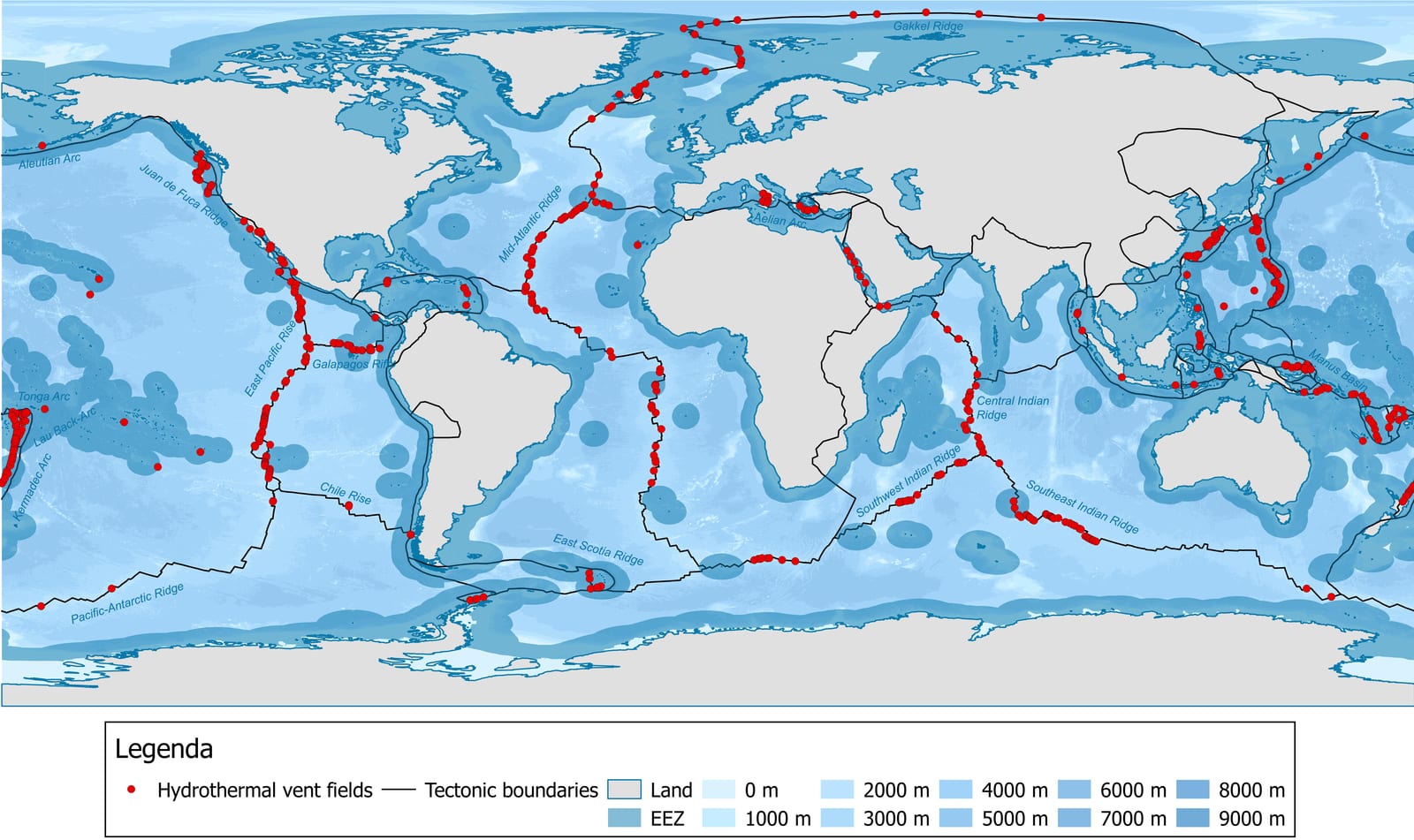
The 2009 special is a finished television hour. The 2018–2023 series is a finished run of 63 episodes. The seafloor is not finished. Ships keep pinging. Seabed 2030 keeps adding area. Depths at Challenger Deep get remeasured. This hub is the changelog for the science underneath Drain the Ocean pictures, not a rumour mill about a season 7.
The working number on this wiki for modern seafloor mapping is 28.7% of ocean area as of April 2026, about 104 million km², from the Nippon Foundation–GEBCO Seabed 2030 project. That figure will move. When it does, new discoveries is the page to reread first, then GEBCO and NOAA, then any drain still you treated as a complete planet.
What “updated” means here
It does not mean National Geographic re-rendered every hour. Visual-effects shots are baked. A 2018 Titanic drain is a 2018 composite even if a 2024 survey improves the debris field. This wiki will note better surveys on the Titanic page and on wreck subpages without pretending the television hour changed. The episode guide stays a catalogue of what aired, with original U.S. dates from listings Wikipedia cites via The Futon Critic.
It does mean global posters should be captioned with a coverage date. An ETOPO or GEBCO still on the maps hub is a versioned product. Satellite-predicted cells can look as finished as ship cells. The mapping guide is the standing caveat. Updates exist so that caveat does not fossilize at 2018’s percentage.
What we watch for
Seabed 2030 coverage releases. Five Deeps–class hadal measurements and later full-ocean-depth dives that shift Challenger Deep by metres. Coastal lidar and shelf surveys that change ice-age shoreline sketches on ice-age maps. Heritage-agency statements on Port Royal, wartime graves, and Titanic that change how this encyclopedia describes access — never salvage coordinates. Streaming catalogue moves, which belong on where to watch because Disney+, Hulu, National Geographic, and Tubi rotate rights.
We do not watch for game patches, Roblox codes, or a fictional drain simulator. This is an information site about the films and the seafloor. The getting started guide repeats that for searchers who arrived on the wrong intent.
How to read an old CGI hour in a new year
Watch the geology. The 2009 special still teaches hypsography: ridge, plains, trenches. Mean depth about 3,682 m is still the right order (Charette and Smith, 2010). Challenger Deep is still hadal; this wiki currently quotes 10,935 ± 6 m (Greenaway et al., 2021) alongside 10,924 ± 15 m sonar. The landform pages — mid-ocean ridge and trenches — absorb measurement updates without rewriting television history.
Then watch the gaps. A pretty global drain is still majority prediction until Seabed 2030’s share is much higher than 28.7%. That sentence is the reason this hub exists. Details and expedition names live on new discoveries. Citations live on sources.
Sources: Seabed 2030 / IHO April 2026 coverage note; Charette and Smith 2010; Greenaway et al. 2021; Wikipedia Drain the Oceans episode list; National Geographic catalogue pages as cited on the series hub.
Frequently Asked Questions
Quick answers drawn from the pages on this wiki.
Is Drain the Oceans still in production?
The run this wiki catalogues ends 9 April 2023 after 6 seasons and 63 episodes. This hub tracks science updates, not a confirmed new season.
What number should I quote for mapped seafloor?
28.7% as of April 2026, from Seabed 2030, until that project publishes a newer share. See new discoveries.
Do new surveys change the TV hours?
They change how this wiki captions the science. They do not automatically re-render 422 South’s shots. See the series hub.