Drain the Oceans episode guide
Six seasons, 2018–2023, grouped by what each hour actually drains.
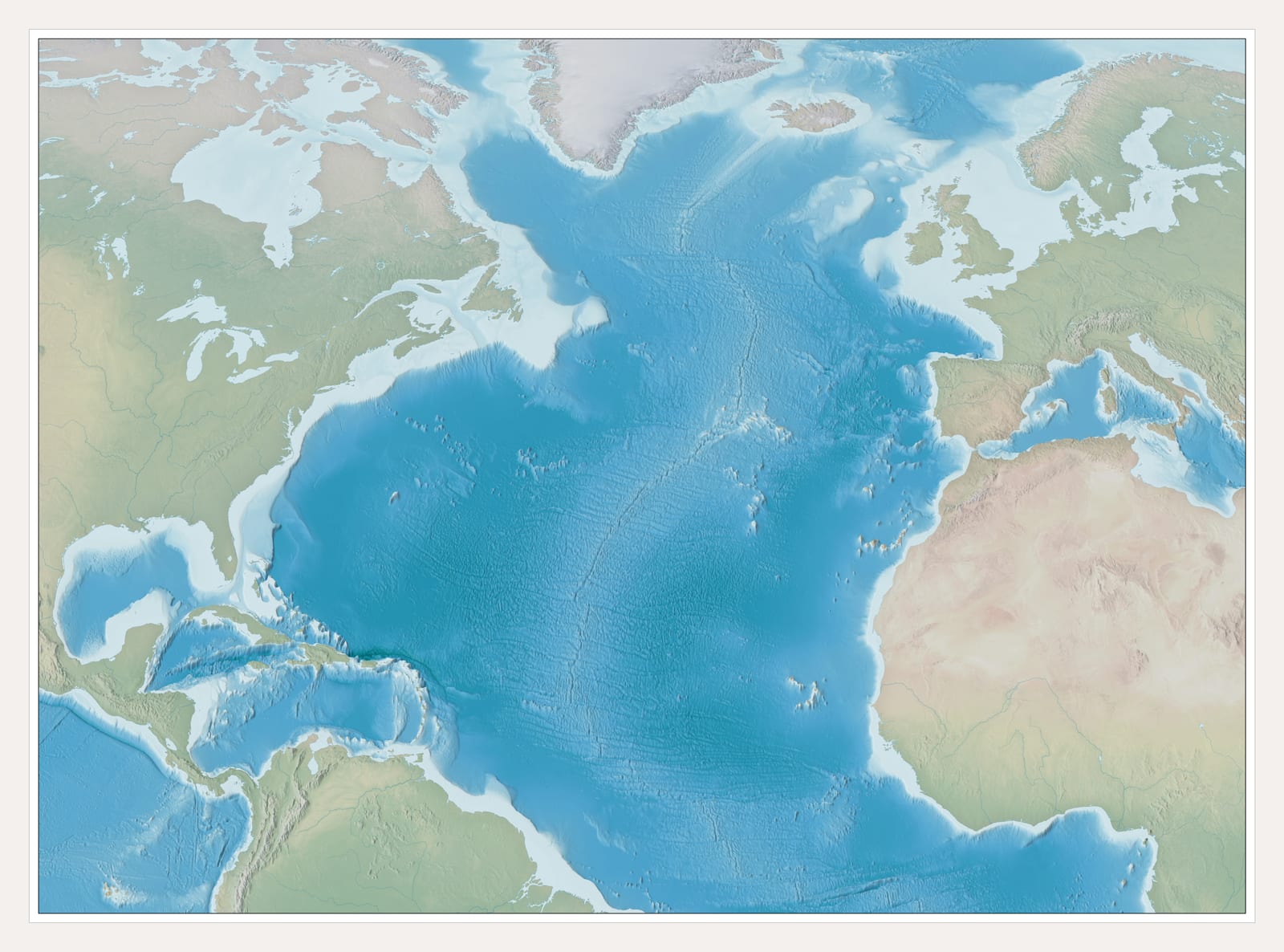
National Geographic’s Drain the Oceans premiered on 28 May 2018. Wikipedia, using The Futon Critic showatch listings, counts six seasons and 63 episodes through 9 April 2023. This page is a reading map, not a pirate stream. Full episodes that National Geographic itself posts on YouTube are linked only where a page on this wiki discusses that hour. One video sits in the middle of this article: the network’s “Legend of Atlantis” episode, which is the place most viewers meet the series’ Atlantis question.
Season 1 (28 May–5 November 2018) opens on villains and geology, then fans out across basins. “Villains of the Underworld” (28 May) uses Port Royal and Alcatraz. “Nazi Secrets” (28 May) and “Ultimate Battleships” (23 July) point at wartime hulls covered on wartime wrecks. “Lost Worlds of the Mediterranean” (11 June) and “Sunken Cities” (15 October) feed the sunken cities page. “Legends of Atlantis” (25 June) is the hour embedded below. “Malaysia Airlines 370” (30 July) is a search-story, not a wreck you can walk. “Gulf of Mexico” (4 June) mixes geology, oil, and the dinosaur-extinction layer with coastal history.
How to use the list with this wiki
Treat each title as a pointer into three hubs. Geology hours belong with Seafloor and how mapping works. Wreck hours belong with Wrecks. City hours belong with sunken cities. The 2009 special is not in this numbered list; it is the geology parent of the franchise. Streaming names live on where to watch.
Season 2 (3 June–14 October 2019) is heavier on U.S. and European military sites: “Secrets of D-Day,” “Killer U-Boats,” “Pacific War Megawrecks,” “Sunken Weapons of War,” “Hitler’s Killer Warships,” “Pacific Shockwave.” Civil and urban hours include “Secrets of New York City,” “London’s Secret History,” “Secrets of the Civil War,” and “Rise of the Roman Empire.” “Thai Cave Rescue” (2 September 2019) is an outlier: a flooded cave, not an ocean, drained with the same scanning language. “Secrets of Loch Ness” is a lake hour.
Season 3 (9 February–23 June 2020) includes “America’s Last Slave Ship,” “The Atomic Ghost Fleet” (Bikini Atoll), “The Viking Seas,” “Egypt’s Sunken City,” “The Battle of Britain,” “Pirate Ships of the Caribbean,” “The American Revolution,” “Raiders of the Civil War,” “The Last Wrecks of WWII,” and “Chicago.” Several of these are lake or riverbeds. The drain metaphor is the same; the water body is not always the open ocean. That is worth stating because search snippets often imply every episode is a mid-ocean trench.
Season 4 (2–23 August 2021) moves through “The Wild West,” “The Battle for the Black Swan,” “Hollywood,” “The First Americans,” “Venice’s Lost Empire,” “Hurricane Apocalypse,” “The Great Barrier Reef,” and “Sea of Secrets.” Venice and the Reef are useful companions to sunken cities and seafloor respectively. Season 5 (29 November 2022–3 January 2023) includes “The Secrets of Pompeii’s Dead,” “Pearl Harbor,” “The Amber Room,” “Ancient Maya Resurrection,” “The Alamo,” and “Narcos.” Pearl Harbor is the main U.S. wartime harbour hour; pair it with wartime wrecks. Season 6 (5 March–9 April 2023) includes Alaska and later compilation hours that National Geographic has also issued as mega-episodes on YouTube.
Precursor specials sit outside the season count: Drain the Great Lakes, Drain the Titanic, Drain the Bermuda Triangle, Drain the Sunken Pirate City, and Drain the Ocean: WWII. The Titanic special is summarised on the Titanic page. Port Royal, the “sunken pirate city,” is on sunken cities.
Viewer numbers on Wikipedia (Showbuzz Daily) for season 1 openers sit around 0.6–0.8 million U.S. cable viewers on first airing. Later seasons trend lower on linear TV while clips and full episodes on the National Geographic YouTube channel reach millions. Those two audiences are not the same dataset; do not mix them in a single “most watched” ranking.
If you are new, watch the trailer on the home page, read getting started, then pick one geology hour (2009 special or a ridge/trench page) and one wreck hour (Titanic or Pearl Harbor). That pairing shows both uses of the drain: Earth science and marine archaeology.
Sources: Wikipedia “Drain the Oceans” episode tables citing The Futon Critic; National Geographic YouTube episode descriptions; IMDb series page.
Frequently Asked Questions
Quick answers drawn from the pages on this wiki.
Which episode should I watch first?
For geology, the 2009 special. For the series tone, season 1’s Atlantis hour (embedded on this page) or “Villains of the Underworld.” Then read getting started.
Does every episode drain the open ocean?
No. Some hours drain lakes, rivers, caves, or harbours. The CGI method is shared. The water body is not.
Where do the air dates come from?
Wikipedia’s tables cite The Futon Critic showatch listings for original U.S. National Geographic dates. Regional schedules differ. See where to watch.